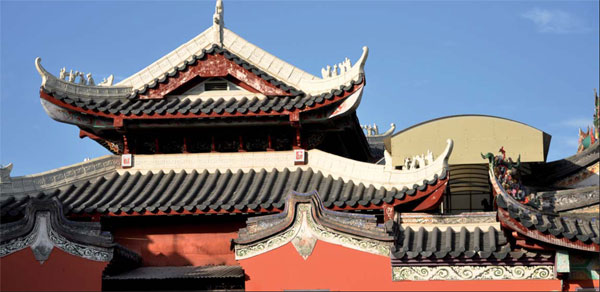
Chaoshan Ancient Architecture Construction Skills
Introduction
Chaoshan ancient architecture construction skills are a significant aspect of the cultural heritage of the Chaoshan region, located in the eastern part of Guangdong province, China. This region, which encompasses the cities of Chaozhou, Shantou, and Jieyang, is renowned for its unique architectural styles and construction techniques that have been cultivated over centuries. Chaoshan architecture is characterized by its intricate designs, use of traditional materials, and distinctive construction methods that reflect the rich cultural and historical background of the area. These ancient skills are integral to the architectural identity of Chaoshan and continue to influence both local and modern architectural practices.
Historical Background
The Chaoshan region, historically a hub of international trade and cultural exchange, has developed a distinctive architectural style influenced by various cultural interactions. Located on the southeastern coast of China, Chaoshan's position between a Cantonese-speaking region and a Hakka dialect area has led to a blend of architectural conventions from these cultures. The region's history as a launchpad for many Chinese to seek their fortunes overseas has also contributed to the infusion of foreign elements into local architecture. Over time, these influences have amalgamated with traditional Chinese architectural principles, creating a unique architectural heritage that stands as a testament to the region's dynamic history and cultural diversity.
Characteristics of Chaoshan Architecture
Architectural Styles
Chaoshan architecture is notable for its diverse styles, which range from traditional Chinese courtyard houses to elaborate temple complexes. The architectural styles in this region often feature intricate wood carvings, ornamental roofs, and colorful decorations that are emblematic of the Chaoshan aesthetic. The use of arcaded streets and ornate facades is common in urban areas, reflecting the region's historical prosperity and cultural richness. The architectural styles are not only visually appealing but also designed to accommodate the climatic conditions of the region, with features such as open courtyards for ventilation and natural light.
Design Elements
The design elements of Chaoshan architecture are deeply rooted in traditional Chinese aesthetics and craftsmanship. Prominent features include the use of curved rooflines, elaborate eaves, and decorative motifs such as dragons, phoenixes, and floral patterns. These elements are often crafted using advanced wood carving techniques, resulting in highly detailed and artistic structures. The architecture also incorporates feng shui principles, with careful consideration given to the orientation and layout of buildings to harmonize with the natural environment. These design elements not only enhance the visual appeal of Chaoshan architecture but also embody the cultural values and beliefs of the region's inhabitants.
Construction Techniques
Material Usage
Chaoshan architecture employs a variety of traditional materials that are locally sourced and suited to the region's environment. Common materials include wood, stone, and clay, each selected for its durability and aesthetic qualities. Wood is extensively used for structural components and decorative elements, with local craftsmen excelling in intricate carving techniques. Stone is utilized for foundations and exterior walls, providing stability and resilience against the coastal climate. Clay is often used for roof tiles and ornamental features, adding a distinct texture and color to the architectural aesthetic. The careful selection and use of these materials are integral to the preservation of Chaoshan's architectural heritage.
Building Methods
The construction methods used in Chaoshan architecture reflect a mastery of traditional building techniques that have been passed down through generations. These methods involve a high degree of craftsmanship and attention to detail, particularly in the assembly of wooden structures and the carving of intricate designs. Traditional joinery techniques, such as mortise and tenon joints, are employed to construct robust and long-lasting buildings without the use of nails or adhesives. The construction process also emphasizes the integration of structures with their natural surroundings, with buildings often positioned to take advantage of natural light, ventilation, and scenic views. These methods not only ensure the structural integrity of Chaoshan architecture but also preserve its cultural and historical significance.
Cultural Significance
Chaoshan architecture is a vital component of the region's cultural identity, embodying the historical and social values of its people. The architectural styles and construction techniques reflect the ingenuity and adaptability of Chaoshan's inhabitants, who have developed a distinct cultural heritage through centuries of interaction with diverse influences. The buildings serve as physical representations of the region's history, traditions, and artistic achievements, providing insight into the daily lives and spiritual beliefs of past generations. The cultural significance of Chaoshan architecture extends beyond its aesthetic appeal, serving as a source of pride and continuity for the local community and a valuable resource for cultural education and tourism.
Preservation and Restoration
Efforts to preserve and restore Chaoshan architecture are crucial to maintaining the region's cultural heritage and architectural legacy. Preservation initiatives focus on safeguarding traditional building techniques and materials, as well as restoring historical structures to their original condition. Restoration projects often involve collaboration between local craftsmen, architects, and cultural heritage organizations to ensure authenticity and accuracy in the reconstruction of architectural elements. These efforts are supported by government policies and community engagement, emphasizing the importance of cultural preservation in the face of modernization and urban development. The preservation and restoration of Chaoshan architecture not only protect its historical and cultural significance but also contribute to the sustainable development of the region.
Influence on Modern Architecture
Chaoshan's ancient construction skills continue to influence modern architecture, both locally and beyond. The region's architectural heritage serves as a source of inspiration for contemporary architects and designers, who incorporate traditional design elements and materials into modern structures. This fusion of old and new creates innovative architectural forms that honor the past while embracing present-day needs and technologies. The influence of Chaoshan architecture is also evident in the global appreciation of traditional Chinese craftsmanship and design principles, which are increasingly integrated into international architectural projects. The enduring impact of Chaoshan's construction skills highlights the relevance and adaptability of its architectural traditions in a rapidly changing world.








